
A lock that sticks or grinds is usually trying to tell you something before it fails completely. We diagnose the fault carefully, repairing worn parts by hand so the mechanism runs smooth again, not just temporarily patched.
A jammed or grinding lock rarely fixes itself, and waiting only makes the fault worse over time. Our Ashfield technicians inspect the mechanism thoroughly, repairing what’s failing rather than replacing everything, so your existing hardware keeps working reliably.
Nobody wants a jammed lock ruining their whole day, so as soon as we hear about the fault, our nearest technician gets moving straight away.
We understand replacement isn’t always necessary, so our technicians repair what’s salvageable and proceed without unnecessary cost.
Nobody gets a repair started without confirming the property details first, no matter how minor the lock issue appears.
Internal springs weakening over time cause locks to feel sluggish or unresponsive during everyday use. It happens gradually, often unnoticed until the latch stops retracting properly one day. Our technicians replace the worn component precisely, restoring smooth operation without needing a full lock replacement. This is especially common in older Ashfield homes with original, decades-old hardware still installed. Quick repair work keeps your existing lock reliable for years longer.
Moisture creeping into a lock cylinder gradually causes stiffness, grinding, or complete seizure over time. It happens most often on exposed exterior doors facing wind, rain, or coastal air. Our technicians clean and lubricate the mechanism thoroughly, restoring smooth key turns without unnecessary replacement costs. This issue tends to worsen quickly once corrosion sets in properly. Regular maintenance checks help Ashfield homeowners avoid sudden lock failure altogether.
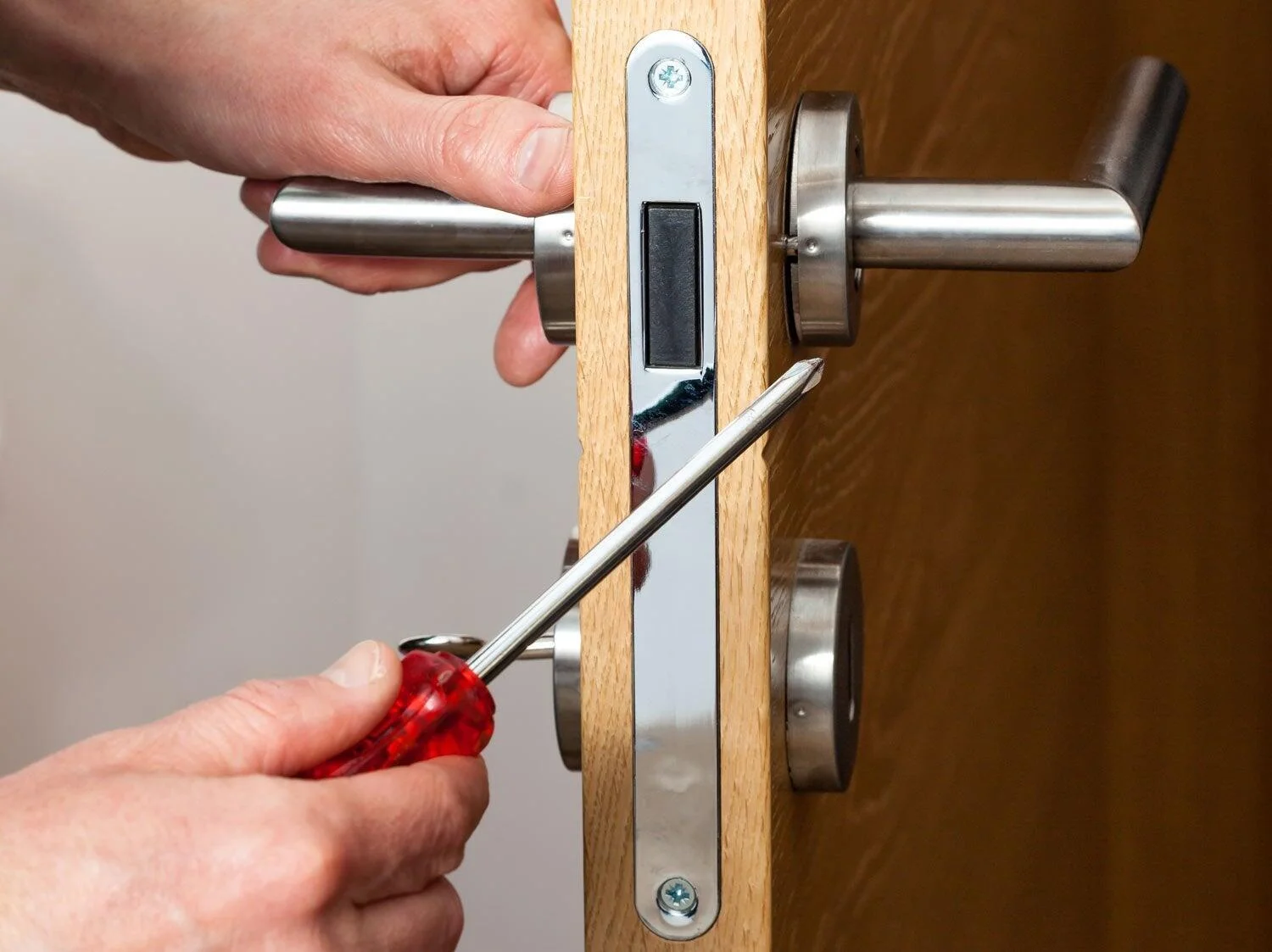
A door that’s shifted slightly can throw the whole locking mechanism out of proper alignment. Seasonal changes, settling foundations, or heavy use are common triggers behind this frustrating fault. Our technicians adjust the strike plate and hinges carefully, restoring smooth latching without replacing the lock itself. This problem often gets mistaken for a faulty lock when the door’s actually to blame. Fixing the alignment properly saves unnecessary hardware replacement expenses later.
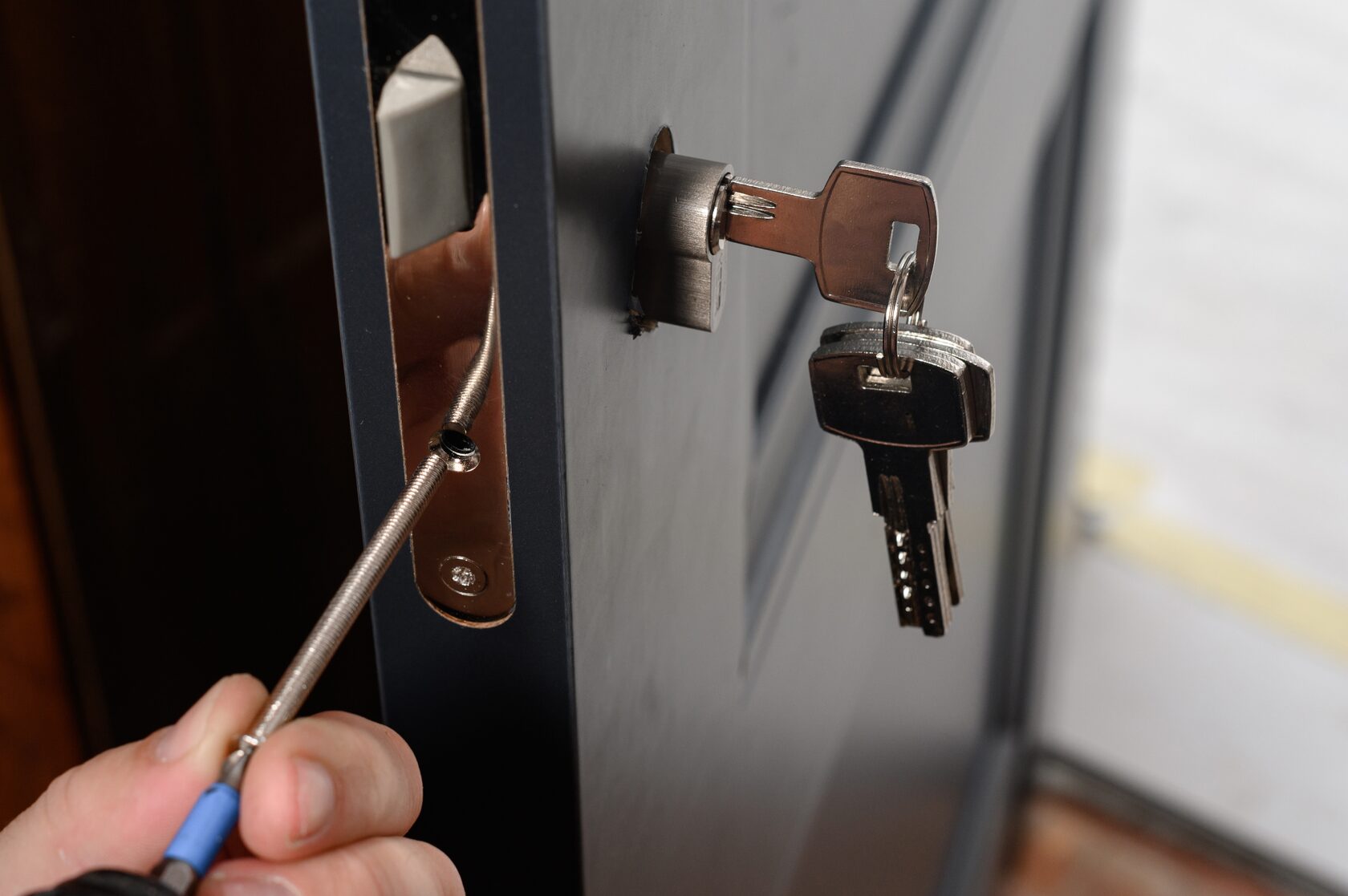
A key breaking mid-turn leaves the fragment lodged awkwardly inside the cylinder itself. Metal fatigue, forceful turning, or a worn key edge are typical causes behind this common issue. Our technicians extract the broken piece carefully, checking the mechanism isn’t damaged before cutting a fresh replacement. This tends to happen with older keys that haven’t been replaced in years. Quick removal prevents the lock from jamming completely afterward.
A lock that’s suddenly stiff, sticking, or refusing to turn smoothly is a problem that tends to creep up gradually until it fails at the worst possible moment. Whether it’s a jammed deadbolt on a Victorian terrace or a wobbling handle on a unit near the station, lock repair is one of the most common calls we handle across Ashfield, and it’s almost always fixable without a full replacement.
Ashfield Elite Locksmith repairs locks across the suburb’s mix of property types, and the underlying cause often comes down to the age and history of the building involved.
Ashfield’s Victorian and Federation terraces frequently still run original or long-serving door hardware, and decades of daily use naturally wears down internal springs and pins long before most homeowners think to have them serviced.
With many Ashfield properties housing several adults across generations, locks see more daily use than a typical single-occupant home, and more use simply means faster mechanical wear over time.
Properties closer to the station and Ashfield Mall see higher rental turnover, and locks in these homes often go years without any servicing at all between tenancies.
Locking hardware on rental properties in NSW is generally expected to meet AS/NZS 4145 requirements for locks and locking devices, which matters both for genuine security and, in some cases, for insurance purposes. A locksmith repairing security hardware should be familiar with these standards, particularly when advising a landlord whether a repair is sufficient or a full replacement is the more sensible route.
A repair can usually wait for a standard appointment if the issue is mild stiffness or a slightly loose handle. It becomes more urgent if a key has snapped and the door can’t be locked or unlocked at all, if the lock shows signs of tampering, or if a multi-point system has failed and the door won’t secure properly.
Stiff, sticky, or damaged locks are one of the most common issues facing Ashfield properties, whether that’s original hardware on a century-old terrace or heavily used locks in a busy multi-generational household. Most problems are genuinely repairable without a full replacement, and catching stiffness early makes a real difference to how long your hardware lasts.
Same-Day Appointments Available
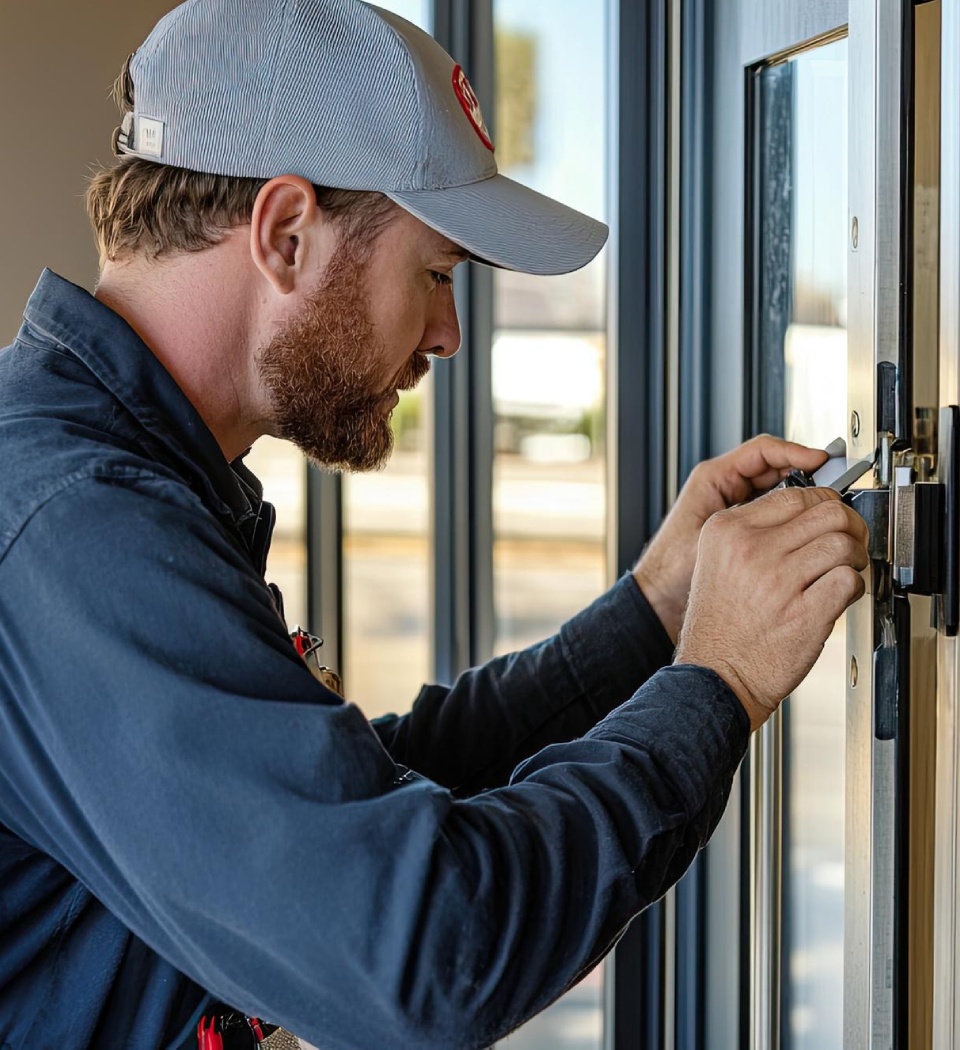
If the key sticks, the latch is slow, or the lock feels loose, repair is often possible. We'll assess it and give you an honest recommendation.
Yes, in most cases we can extract the broken piece and confirm the mechanism still works before cutting you a new key.
This is often due to worn internal pins or a lack of lubrication, both of which we can address without replacing the lock.
It can become one if left untreated. We clean and lubricate affected locks to prevent complete seizure down the line.
Most repairs are completed within 30–60 minutes, depending on the extent of the wear or damage involved.
